War, Peace, and the Post-Pandemic World: Eurasian Perspectives
University of New South Wales, Sydney and virtually
1 May 2023
Post-Conference Review
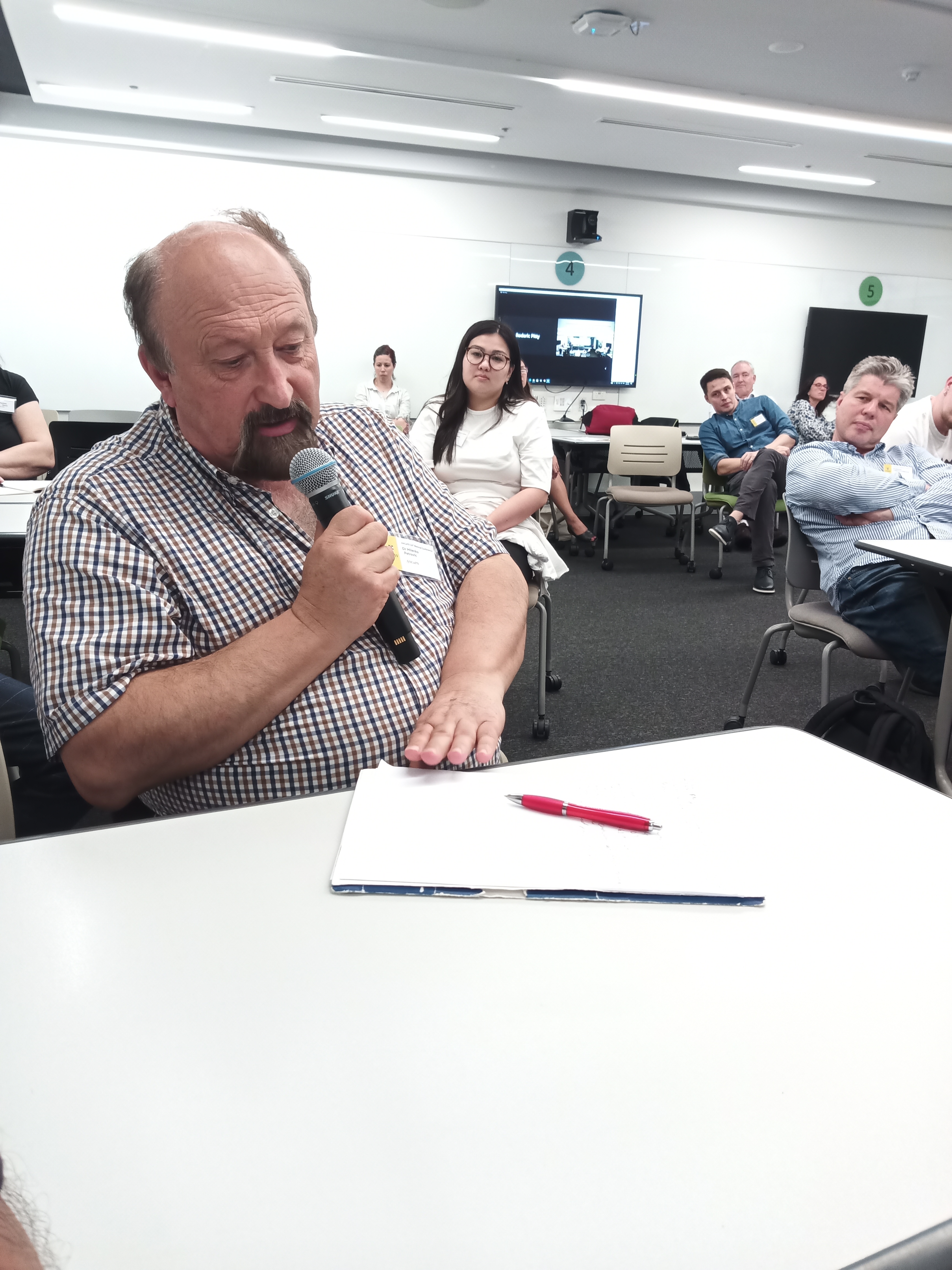
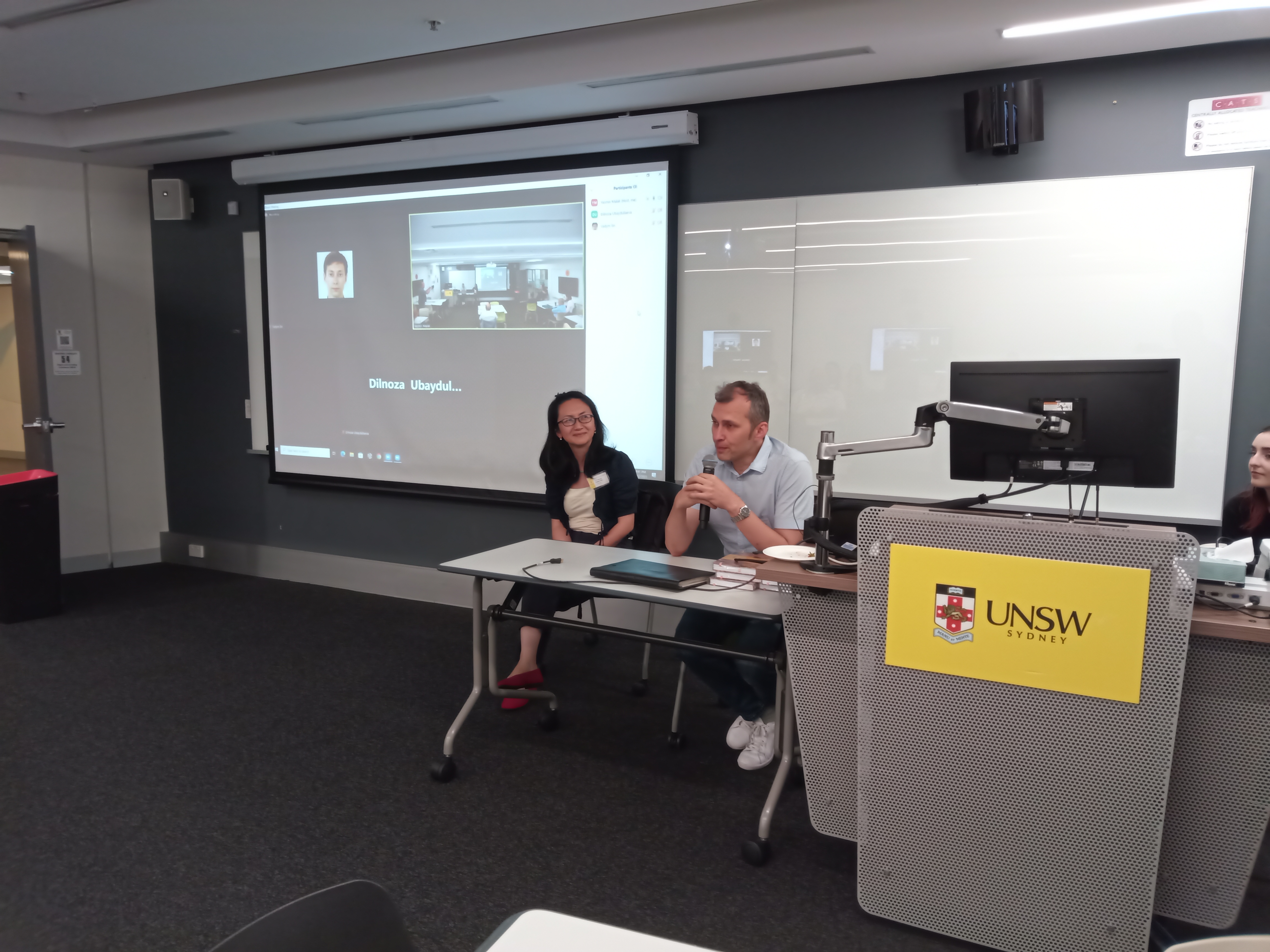
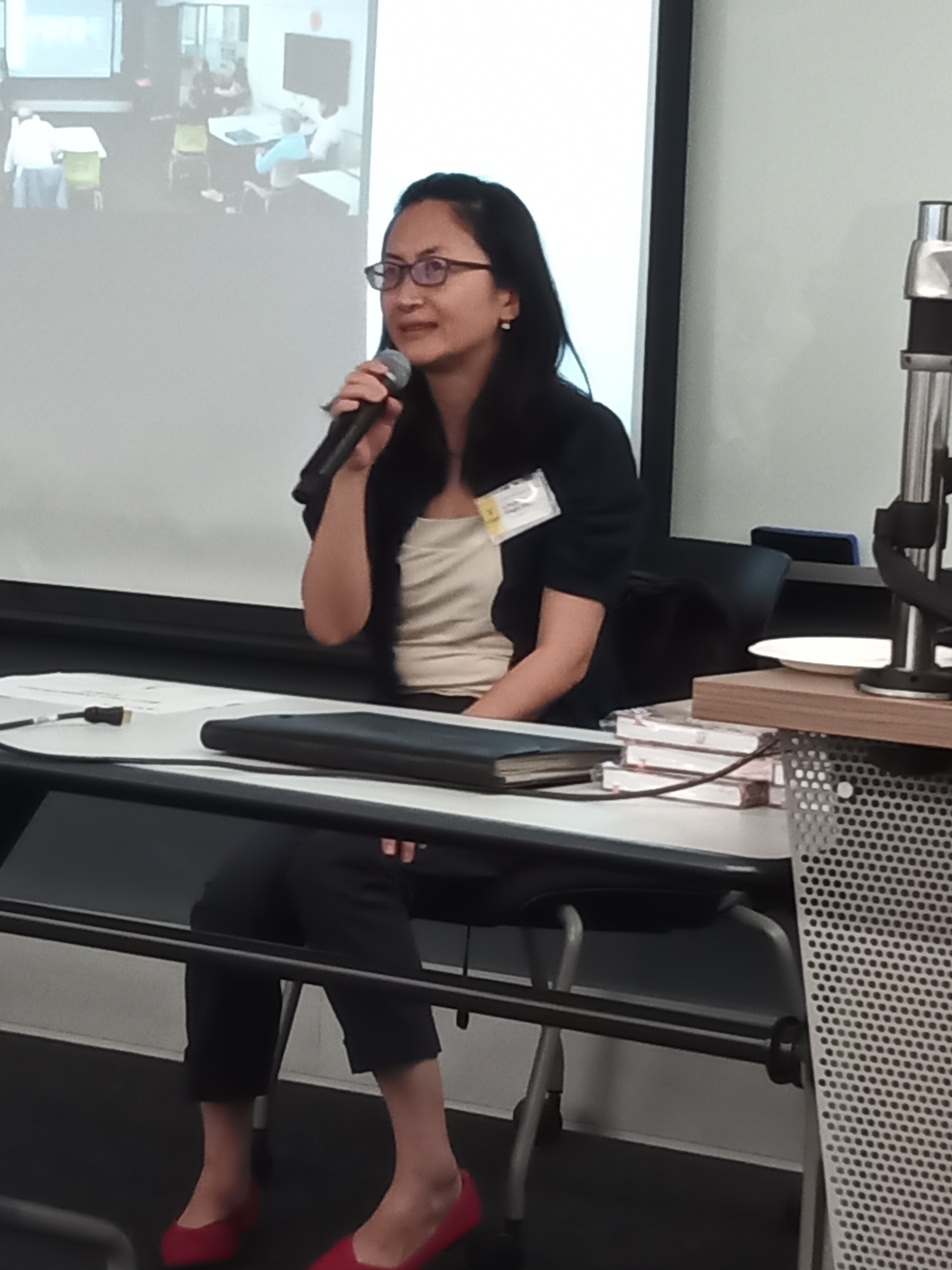
Against the volatile backdrop of Russia’s year-long war in Ukraine, the lingering effects of the Covid-19 global pandemic, and the threat of climate change, more than 60 scholars, veterans and emerging, from Australia, New Zealand and around the world, gathered physically or digitally on 2-3 February at the School of Social Sciences, University of New South Wales, Sydney, to address the vital themes of the conferences. The conference was sponsored by AACaPS (Australasian Association for Communist and Post-Communist Studies), which in March 2022 urged a ‘peaceful resolution’ to Russia’s ‘war of aggression’ on Ukraine. The conference was co-convened by Associate Professor Fengshi Wu, UNSW, and Associate Professor Alexandr Akimov, Griffith University.
As the largest war in Europe since the end of the Second World War raged, with its terrible human toll, ricocheting across the global political and economic system, scholars old and new presented on array of topics that directly or indirectly cast light on the lethal Russian-Ukrainian conflict and/or its ramifications for the vast Eurasian space. Hence the broad geographical and temporal lenses, from China to the European Union and NATO, from pre-Second World War to post-Cold war conflicts and relations. Hence too the breadth of approaches and topics: from literature, geo-politics and economics to security, environmental and cultural considerations and concerns.
Among the highlights were:
- An engaging keynote speech on ‘What Political Science Can Learn from Eurasian Studies’, by Professor Pauline Jones, University of Michigan, who persuasively argued that the study of Eurasia provides fertile ground for advancing theory in both comparative politics and international relations.
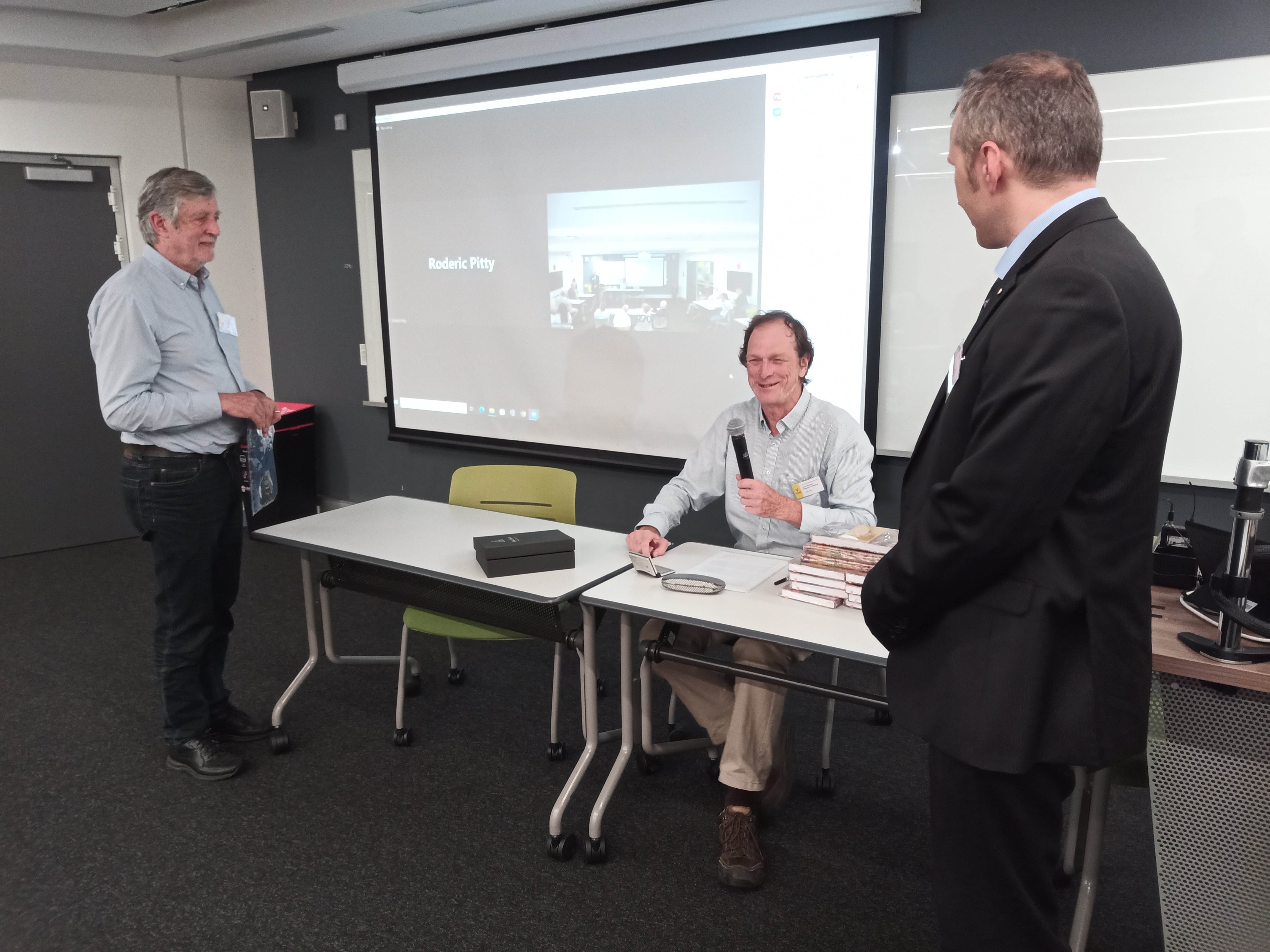
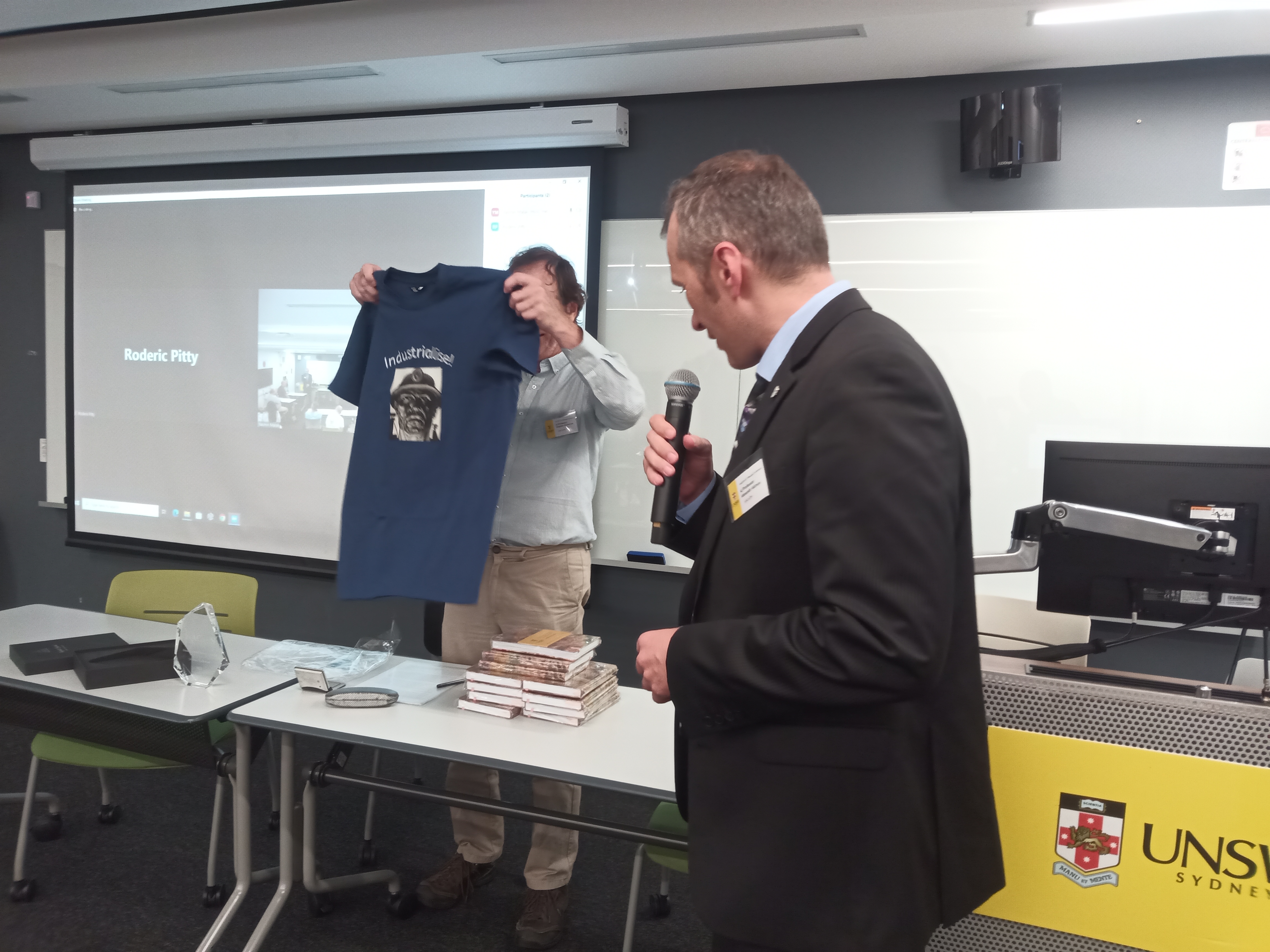
- A special and timely lecture entitled ‘Can Russia afford to be a Superpower, Part 2?’, by Hon. Associate Professor Stephen Fortescue, School of Social Sciences, UNSW, to celebrate his distinguished contribution to AACaPS, and to social science research at UNSW.
- Three conference awards presented to outstanding PhD candidate presenters:
- ‘A shift in claims to legitimacy in Uzbekistan as evidence of authoritarian modernization,’ Akron Avezov, Nagoya University.
- ‘Changes in attitude to Bolshevism in narratives due to the 2022 Russian invasion of Ukraine,’ Vadym Ilin, Kharkiv National University of Construction and Architecture.
- ‘The Wrath of China: The Imagination of Sino-West Wars in Contemporary Chinese Science Fiction’,Yimin Xu, UNSW.
The quality and scope of the presentations and the discussions that ensued confirm the importance of AACaPS scholarly mission and bode well for our next biennial conference in 2025.

 aacapstudies.com